Irazú, Costa Rica's highest volcano and one of its most active, rises to 3432 m immediately east of the capital city of San José. The
massive volcano covers an area of 500 sq km and is vegetated to
within a few hundred meters of its broad flat-topped summit crater
complex. At least 10 satellitic cones are located on the southern flank
of Irazú. No lava flows have been identified from Irazú since the
eruption of the massive Cervantes lava flows from south-flank vents
about 14,000 years ago, and all known Holocene eruptions have
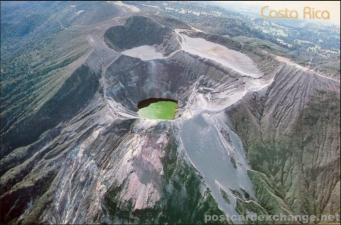
been explosive. The focus of eruptions at the summit crater complex
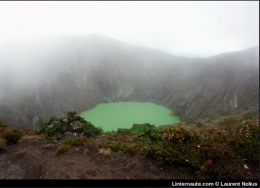
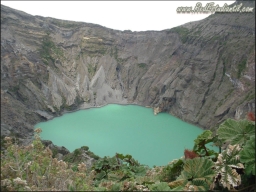
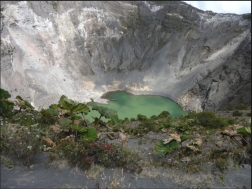
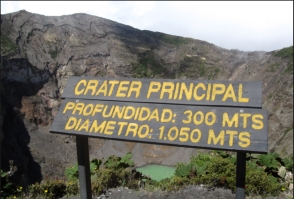
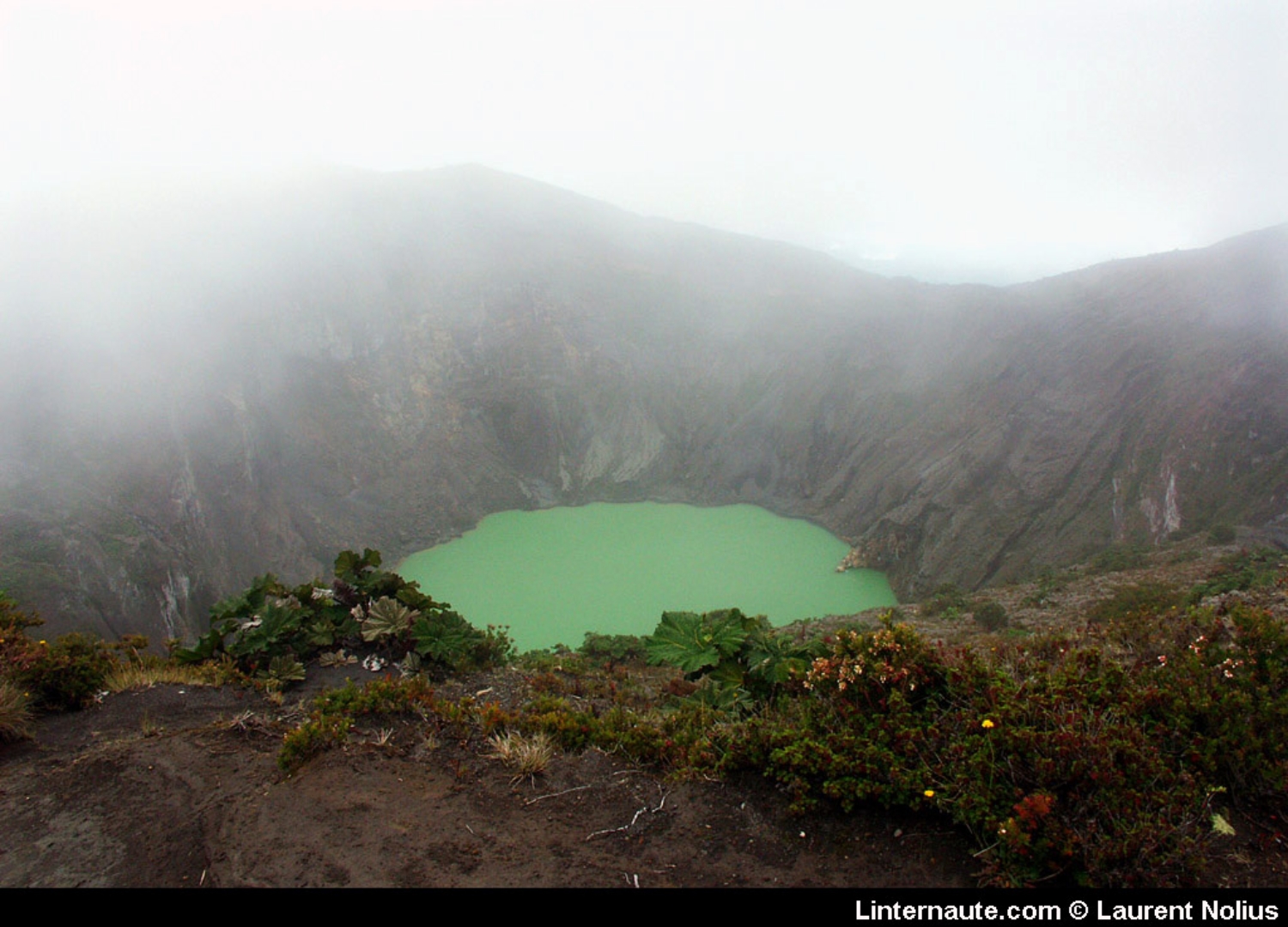
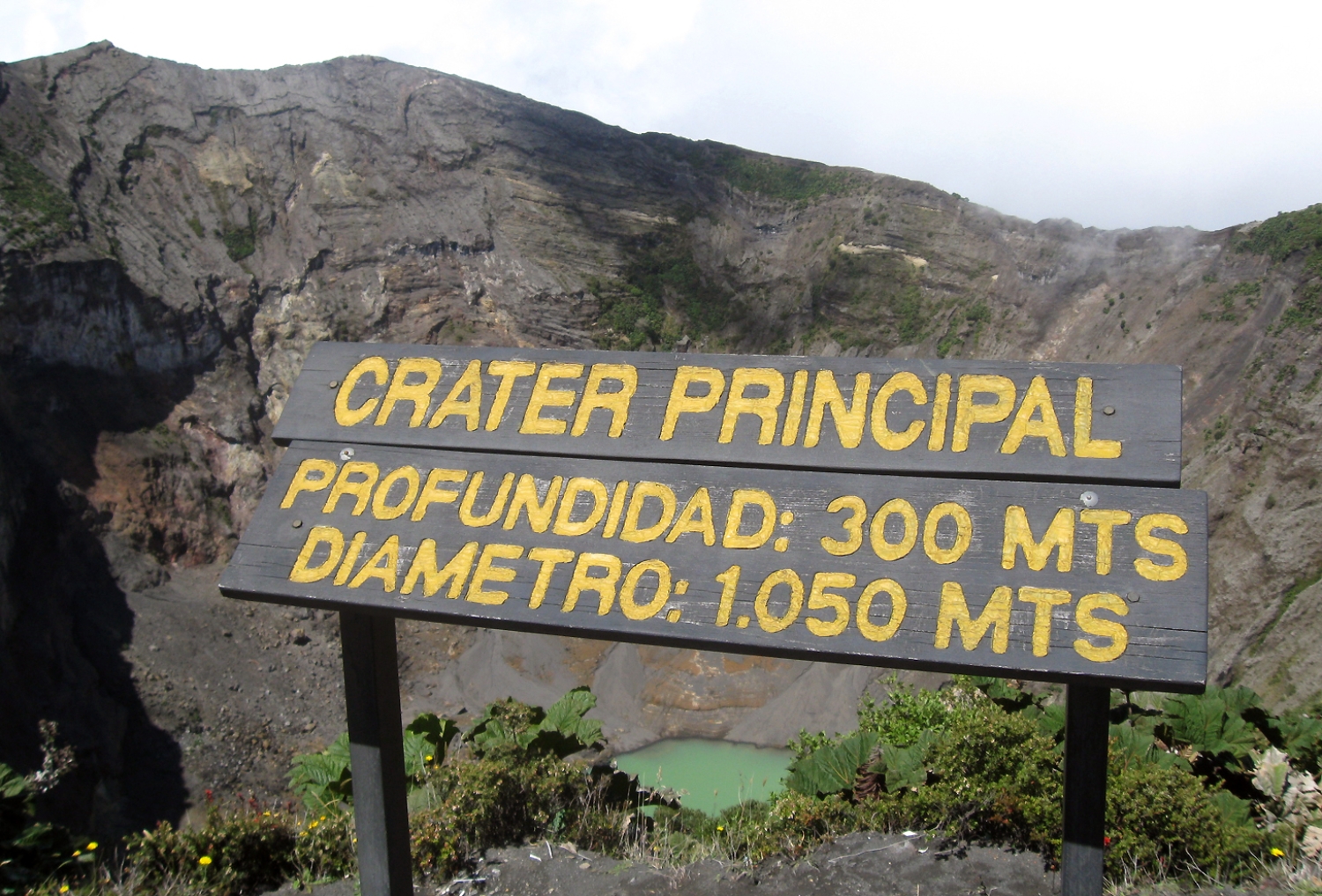
has migrated to the west towards the historically active crater, which
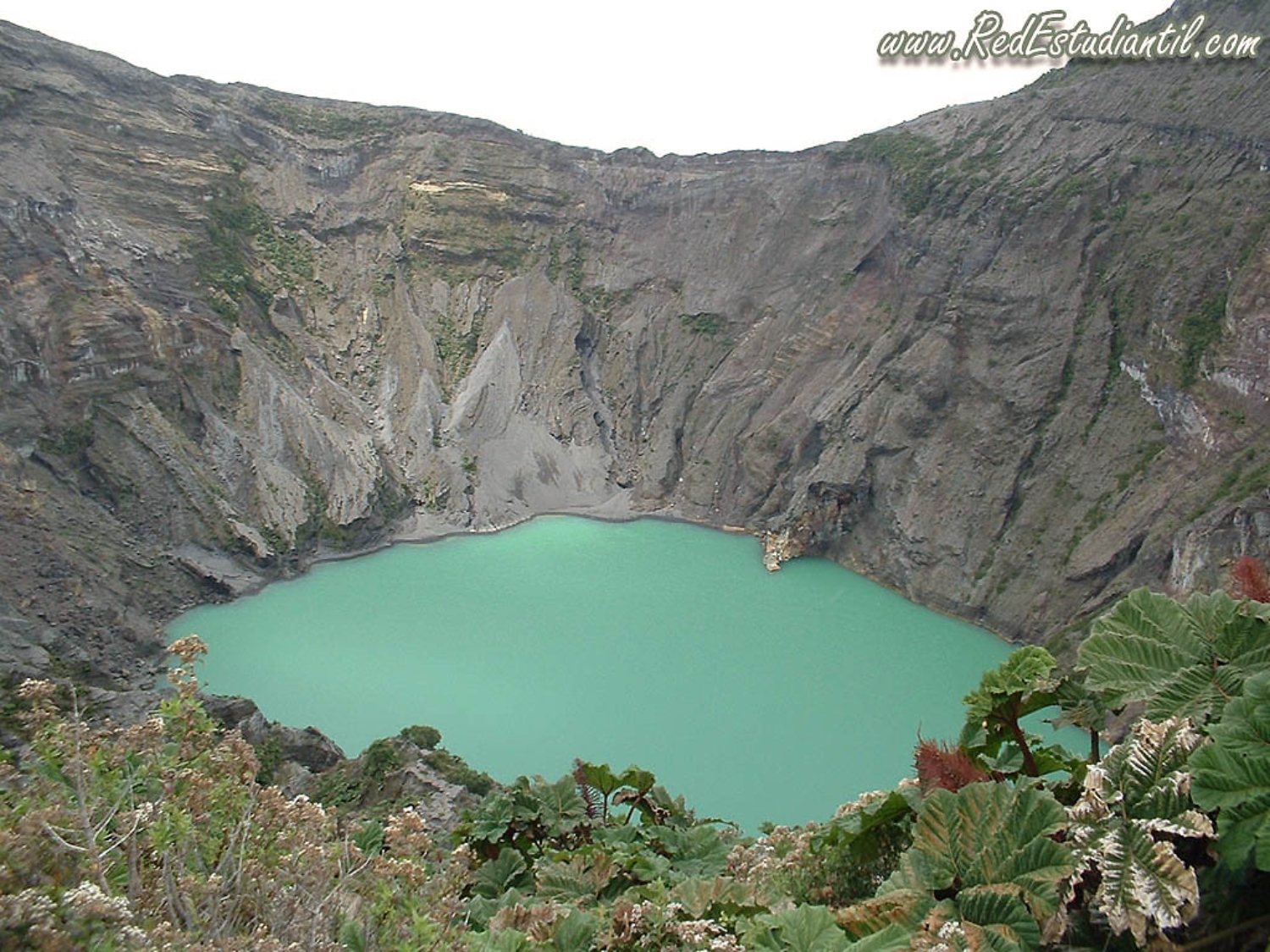
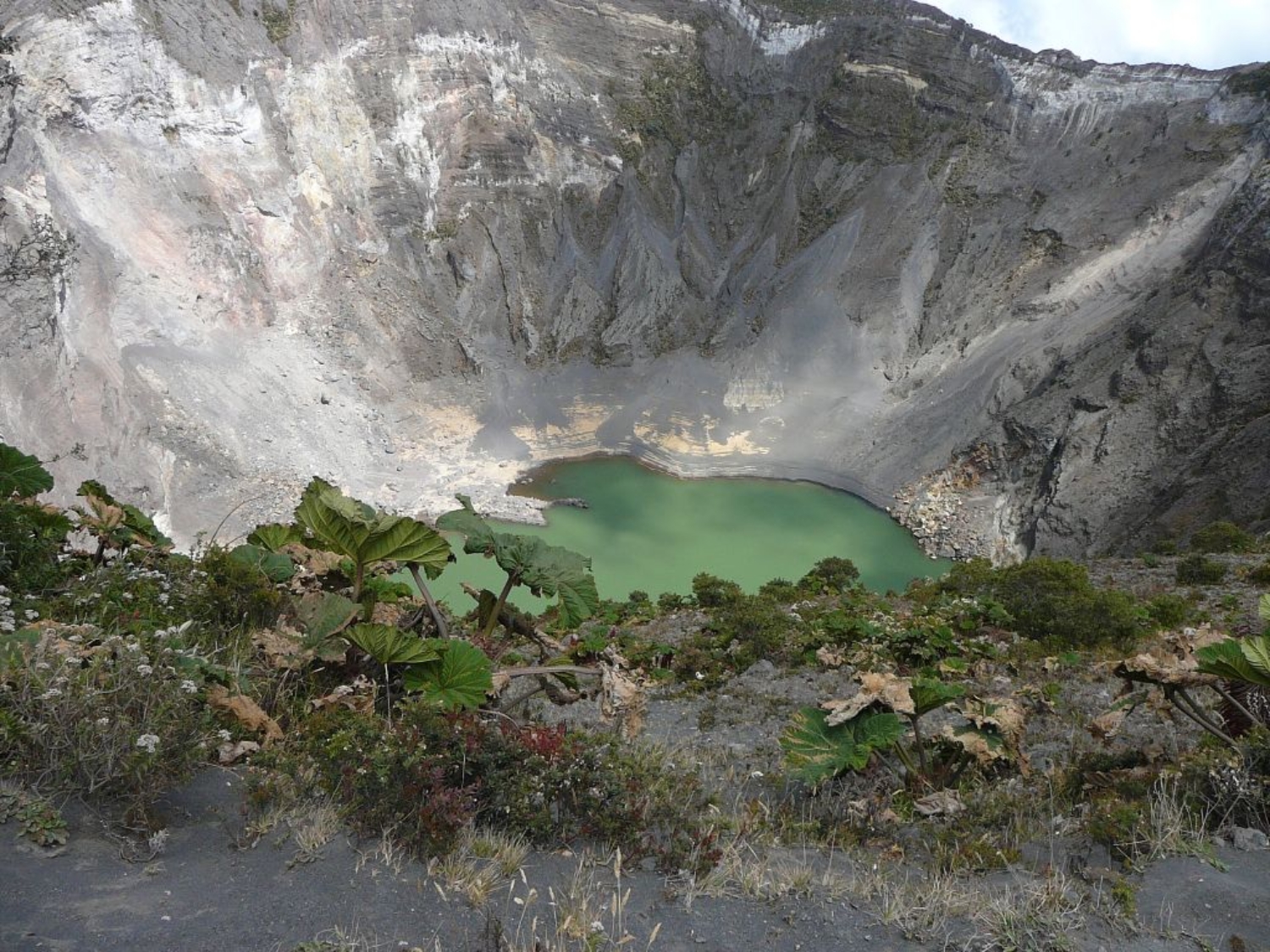
contains a small lake of variable size and color. Although eruptions
may have occurred around the time of the Spanish conquest, the first
well-documented historical eruption occurred in 1723, and frequent explosive eruptions have occurred since.
Ashfall from the last major eruption of Irazú during 1963-65 caused significant disruption to San José and
surrounding areas.
Irazu
Location: 9.979° N, 83.852° W
Elevation: 3.432 m
to 3432 m immediately east of the capital city of San José. The
massive volcano covers an area of 500 sq km and is vegetated to
within a few hundred meters of its broad flat-topped summit crater
complex. At least 10 satellitic cones are located on the southern flank
of Irazú. No lava flows have been identified from Irazú since the
eruption of the massive Cervantes lava flows from south-flank vents
about 14,000 years ago, and all known Holocene eruptions have
been explosive. The focus of eruptions at the summit crater complex
has migrated to the west towards the historically active crater, which
contains a small lake of variable size and color. Although eruptions
may have occurred around the time of the Spanish conquest, the first
well-documented historical eruption occurred in 1723, and frequent explosive eruptions have occurred since.
Ashfall from the last major eruption of Irazú during 1963-65 caused significant disruption to San José and
surrounding areas.
Irazu
Location: 9.979° N, 83.852° W
Elevation: 3.432 m
 HOME
HOME
to 3432 m immediately east of the capital city of San José. The
massive volcano covers an area of 500 sq km and is vegetated to
within a few hundred meters of its broad flat-topped summit crater
complex. At least 10 satellitic cones are located on the southern flank
of Irazú. No lava flows have been identified from Irazú since the
eruption of the massive Cervantes lava flows from south-flank vents
about 14,000 years ago, and all known Holocene eruptions have
been explosive. The focus of eruptions at the summit crater complex
has migrated to the west towards the historically active crater, which
contains a small lake of variable size and color. Although eruptions
may have occurred around the time of the Spanish conquest, the first
well-documented historical eruption occurred in 1723, and frequent explosive eruptions have occurred since.
Ashfall from the last major eruption of Irazú during 1963-65 caused significant disruption to San José and
surrounding areas.
Irazu
Location: 9.979° N, 83.852° W
Elevation: 3.432 m

 HOME
HOME